
Beyond the Guidebook:
A Travel Advisor's Insider Secrets & Hidden Gems
Hey there! After spending 28 years exploring hidden corners of five continents, I've collected travel secrets you won't find in any guidebook. As a luxury travel advisor specializing in personalized itineraries and authentic experiences, I'm here to share the exclusive destinations and insider tips I've discovered through my global network of local guides and boutique hoteliers. My blog is where wanderlust meets expert curation—whether you're seeking inspiration for bucket list adventures or ready to transform your next vacation into an extraordinary journey with VIP access and bespoke accommodations. I've personally vetted these experiences and can't wait to help you discover the authentic cultural immersions and hidden gems that make travel truly magical!
Ready to Start Your Journey?
Let's create your perfect travel experience together. Schedule a complimentary consultation
to discuss your travel dreams and preferences.
Read My Blogs
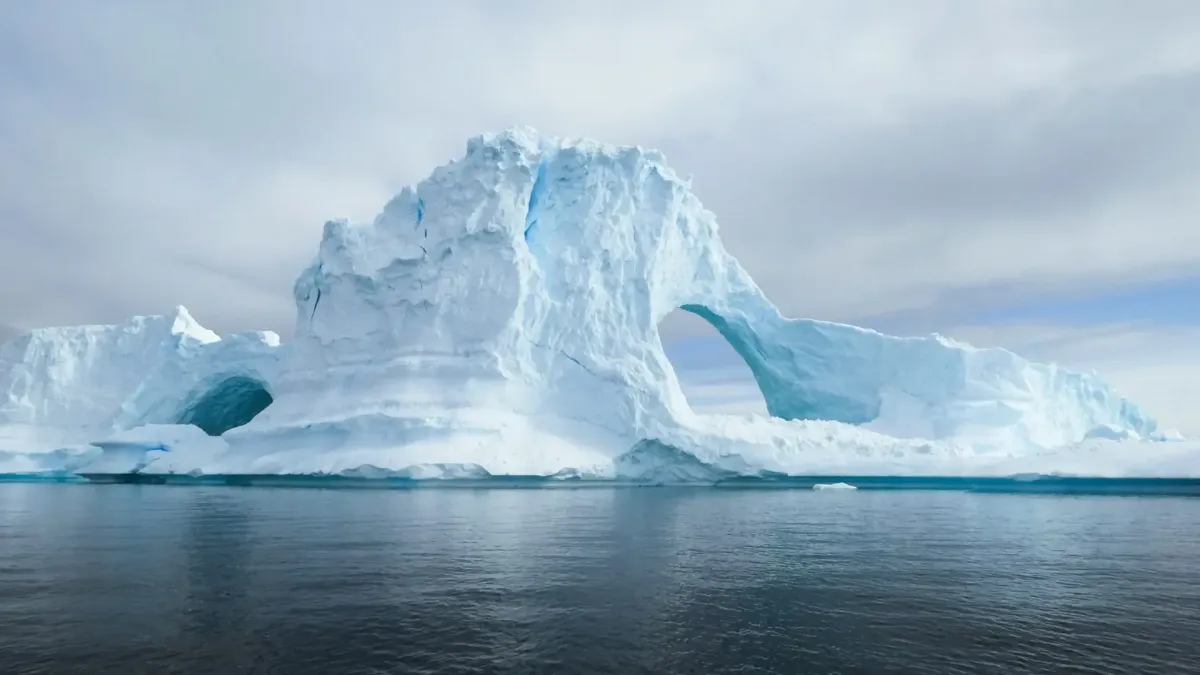
Antarctica Travel Mistakes (and How to Avoid Them) An Expert’s Guide to Getting This Once-in-a-Lifetime Trip Right
Antarctica is not the kind of trip you want to get almost right.
It’s expensive, remote, highly regulated, and deeply dependent on the decisions you make long before you ever step on the ice. I’ve seen travelers return absolutely transformed by Antarctica — and I’ve also seen disappointment that could have been avoided with better planning.
The difference usually isn’t attitude or enthusiasm. It’s information.
If you’re considering Antarctica, these are the most common — and costly — mistakes travelers make, and how to avoid them so your experience lives up to everything you’re hoping for.

Mistake #1: Assuming All Antarctica Trips Are the Same
At a glance, many Antarctica itineraries look similar. But trips can differ dramatically in ship size, passenger count, landing opportunities, staff quality, and overall expedition philosophy. Once you book, these choices can’t be changed.
Mistake #2: Choosing a Ship That’s Too Large
Strict environmental rules limit how many people can be ashore at once. Smaller ships often allow more frequent and immersive landings, while larger ships may require rotations and reduced time ashore.
Mistake #3: Underestimating the Importance of the Expedition Team
The expedition team defines the experience. Strong teams bring Antarctica to life through wildlife interpretation, historical context, and expert decision-making in changing conditions.

Mistake #4: Not Preparing for Flexibility
Weather and ice dictate daily plans. Travelers who thrive embrace flexibility and curiosity rather than rigid expectations.
Mistake #5: Over-Packing or Packing the Wrong Things
Layering properly matters more than quantity. Many travelers overpack bulky items or forget simple comfort essentials.

Mistake #6: Focusing Only on Price Instead of Value
Lower prices can mean fewer landings, larger group sizes, or less experienced staff. Value is measured by time ashore, safety, interpretation, and overall immersion.
Mistake #7: Skipping or Underestimating Travel Insurance
Because Antarctica is remote, medical care is limited and evacuations are complex. Proper coverage provides peace of mind and protects against expedition-specific risks.
Mistake #8: Waiting Too Long to Plan — or Planning Without the Right Expertise
Limited seasons and capacity mean early, informed planning matters. Experienced guidance helps travelers ask the right questions and avoid costly missteps.

Antarctica magnifies both good decisions and poor ones. When planned well, it becomes deeply transformative and unforgettable.
Avoiding these mistakes isn’t about perfection — it’s about preparation, awareness, and respect for the destination.
Antarctica is worth it if you’re ready for a journey that gives back more than it takes.